
100-minuteyouth activity
QINGRUI LOU · PSYCHOLOGY PORTFOLIO
Psychology research · Youth programme support
I turn psychology learning into structured youth activities, clear public communication and careful academic analysis.

100-minuteyouth activity

90-minutememory session

178.5supervised hours

2026degree awarded
Evidence before adjectives. Four cases cover activity design, psychology teaching, research translation and academic quantitative analysis.
YOUTH PROGRAMME DESIGN · DELIVERED
A 100-minute, four-module psychology activity independently designed and facilitated with adolescents during a school internship.
COGNITIVE PSYCHOLOGY TRANSLATION · DELIVERED
A 90-minute Mandarin session that translated university memory science into explanations, demonstrations and retrieval-based activities for high-school students.
Explore the sessionYOUTH MENTAL-HEALTH TRANSLATION · COURSEWORK
Two individual works apply psychology research to Chinese school settings: OCD-related stigma and senior-high school refusal.
Explore the casesQUANTITATIVE RESEARCH · INDIVIDUAL COURSEWORK
Analysis of a course-provided study description and dataset using IBM SPSS Statistics and a 3 × 2 factorial ANOVA.
Explore the analysisCVS & PROJECT MATERIALS
Download the relevant CV or open selected academic work directly from this section.
Experience and evidence selected for youth wellbeing, programme support and facilitation roles.
Download Youth CVCoursework, analysis and experience selected for psychology research-support roles.
Download Research CVSelected psychology research reports, briefing papers and presentation materials in Google Drive.
Open Google Drive (opens in a new tab)02 / RELEVANT EXPERIENCE
School-based facilitation, student and peer support, supervised service experience and Mandarin public communication.
Feb 2026 - Present
Plan and produce Mandarin short-form videos and livestreams for an audience of more than 2,500 followers, translating psychology topics into accessible formats for non-specialist viewers.
Jun 2025 - Jul 2026
Completed four workshops on wellbeing, active listening, recognising limits and referral awareness, and participated in one formal one-to-one peer-support interaction within programme boundaries.
Dec 2025 - Jan 2026
Designed and facilitated a 100-minute psychology activity, prepared and delivered a 90-minute memory-and-learning session and conducted five individual student-support conversations of about 50 minutes each within defined role boundaries.
Feb and Aug 2024
Completed 178.5 documented hours across two short placements, gaining supervised exposure to mental-rehabilitation and special-needs service settings.
03 / DIRECTION
My long-term direction is early, culturally responsive support for adolescents experiencing school refusal, learning disengagement, digital overuse, anxiety or depression.
Mandarin Chinese and English communication, study and volunteering in Singapore, and school-based and supervised service experience in China provide the cross-cultural context.
Bachelor of Psychological Science graduate at James Cook University Singapore · Singapore-based · Degree conferred 10 Sep 2026 · Seeking full-time youth programme or psychology research-support opportunities.
CASE 01 / SYSTEM REPAIR
The activity invited participants to explore memory, emotion, choice and small actions without requiring personal disclosure. Sharing was optional and any step could be skipped.
ACTIVITY ARCHITECTURE
Each module shows how a psychology idea became a concrete, low-disclosure participant task.
INTERACTIVE · SELECT A MODULE
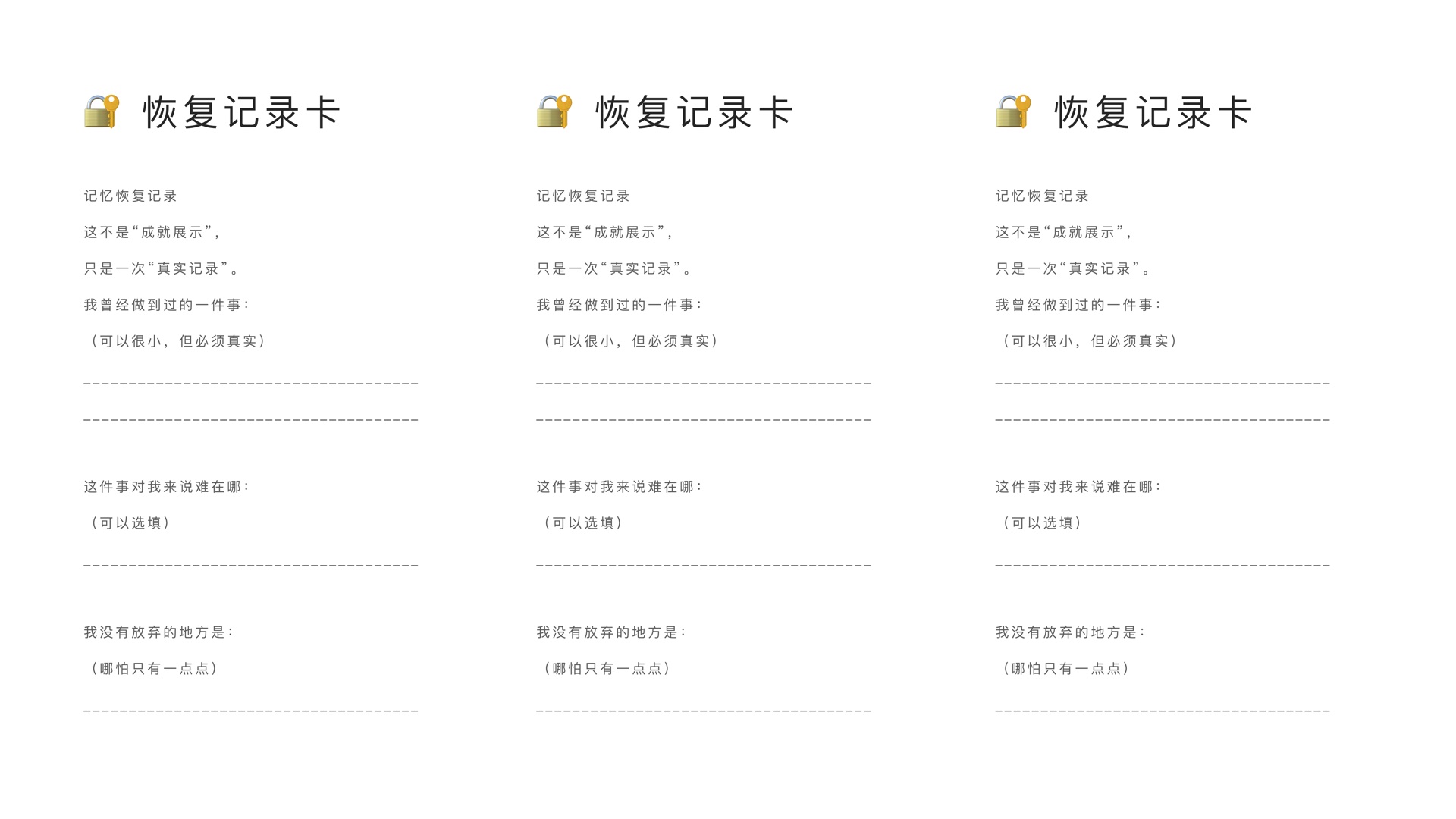
Students recorded a small, true event and kept it private.
“Being overlooked does not mean an experience did not happen.”
INTERACTIVE EXPERIENCE
Open the Mandarin experience in a new window and move through the same 19-step sequence used to guide the school activity.
Open the interactive experience (opens in a new tab)ORIGINAL CARD SETS
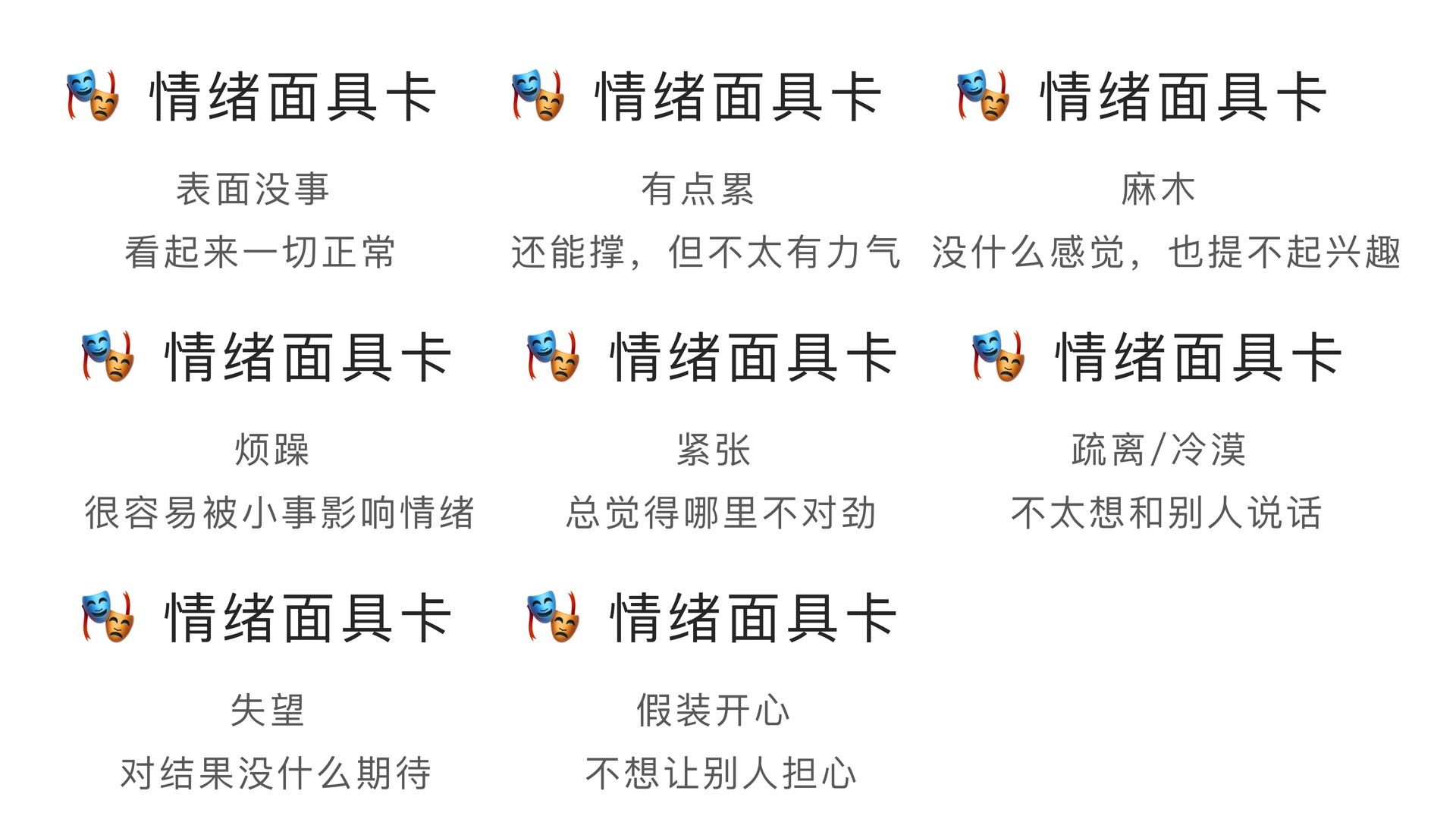
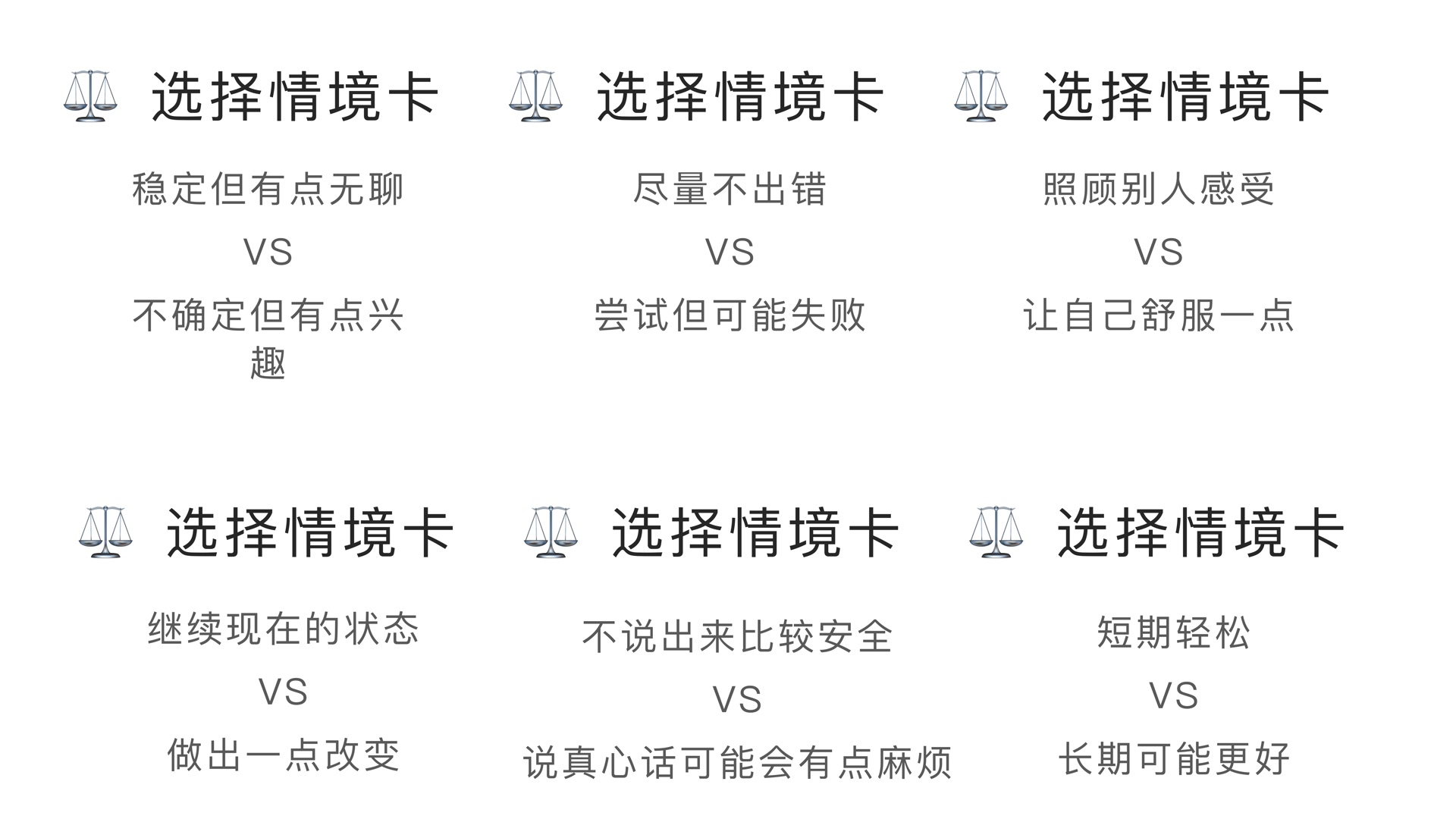
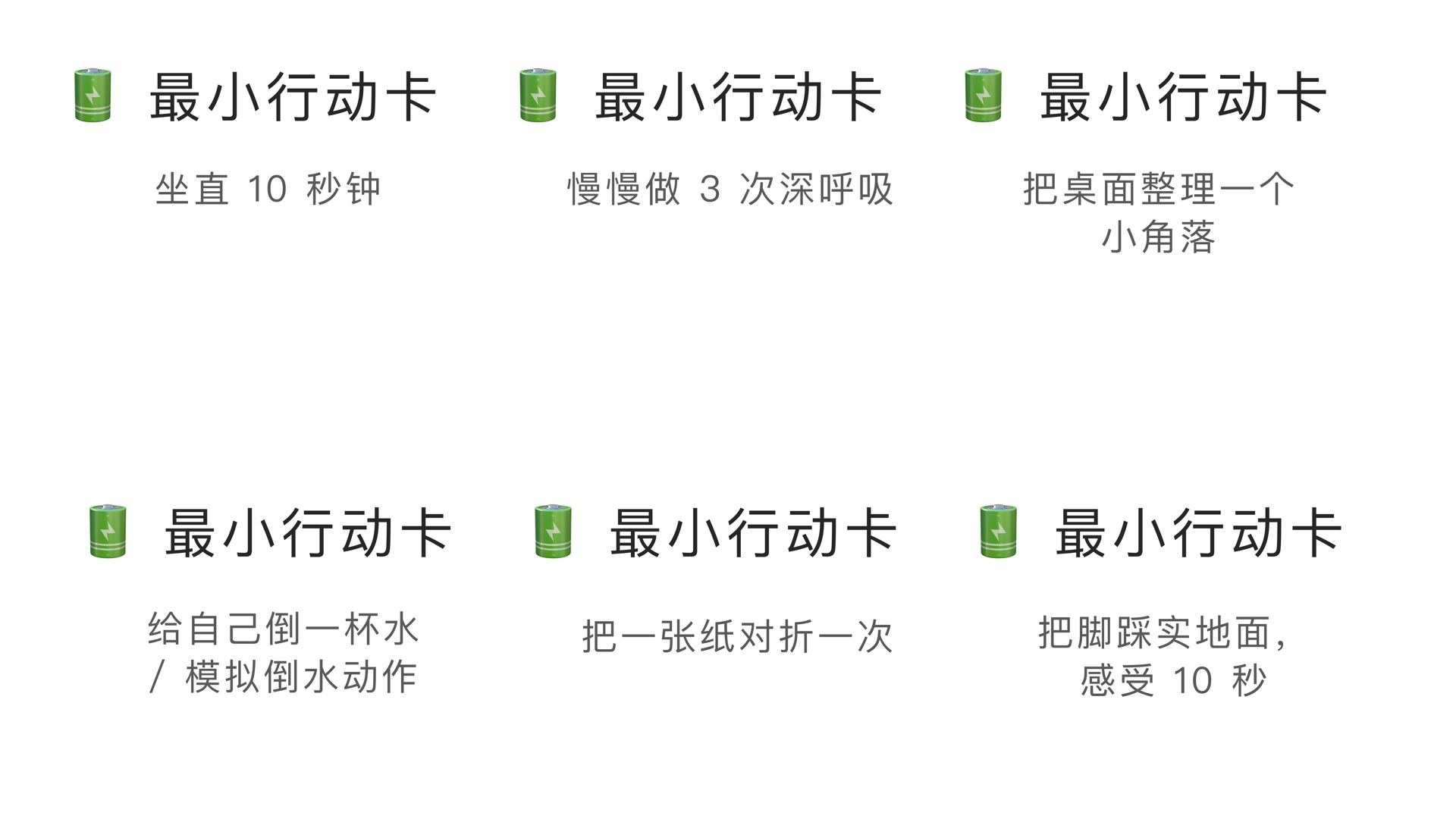
Designed in Mandarin for live use, these seven sets turn each module into a concrete choice, private reflection or manageable action.
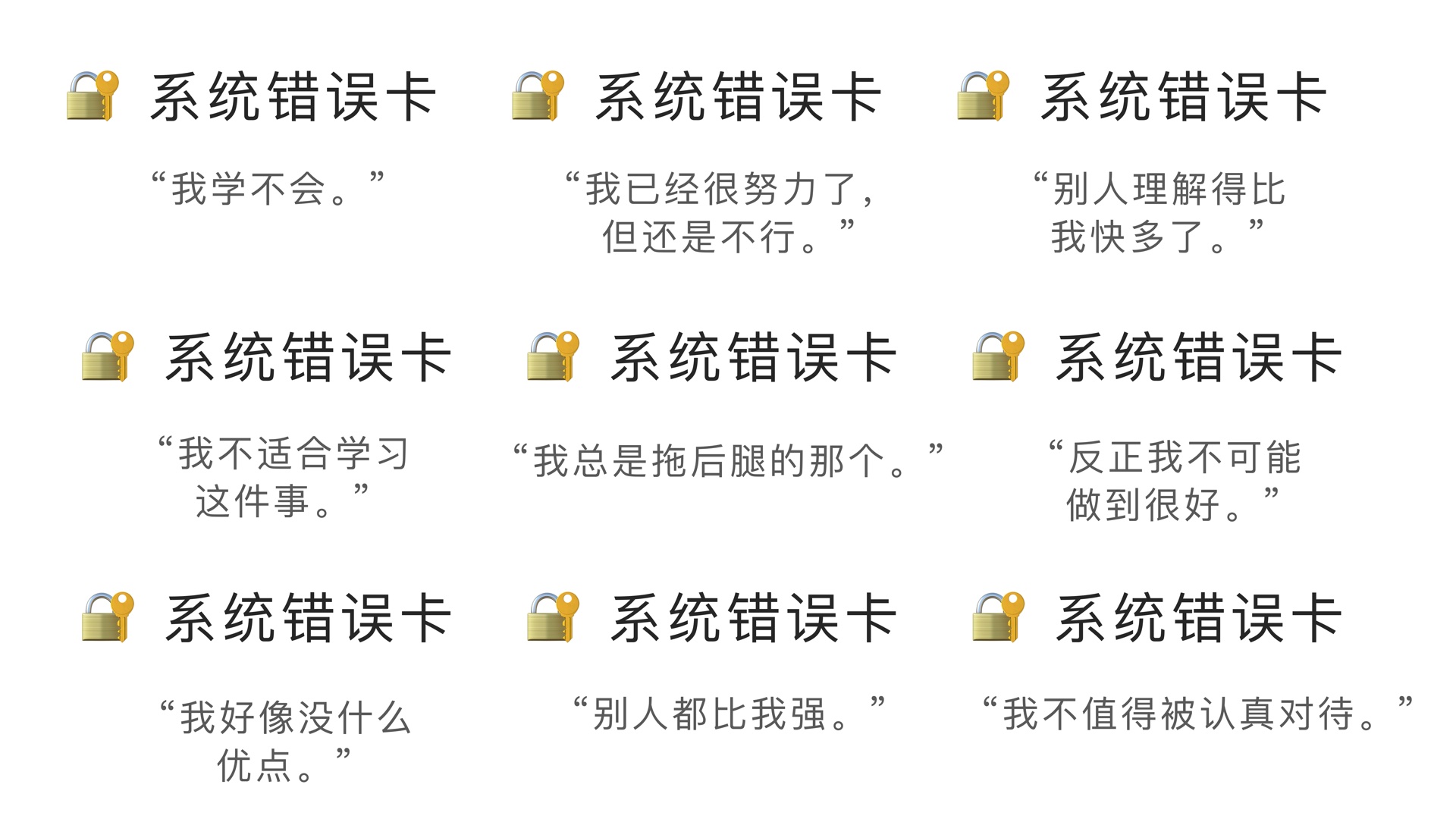
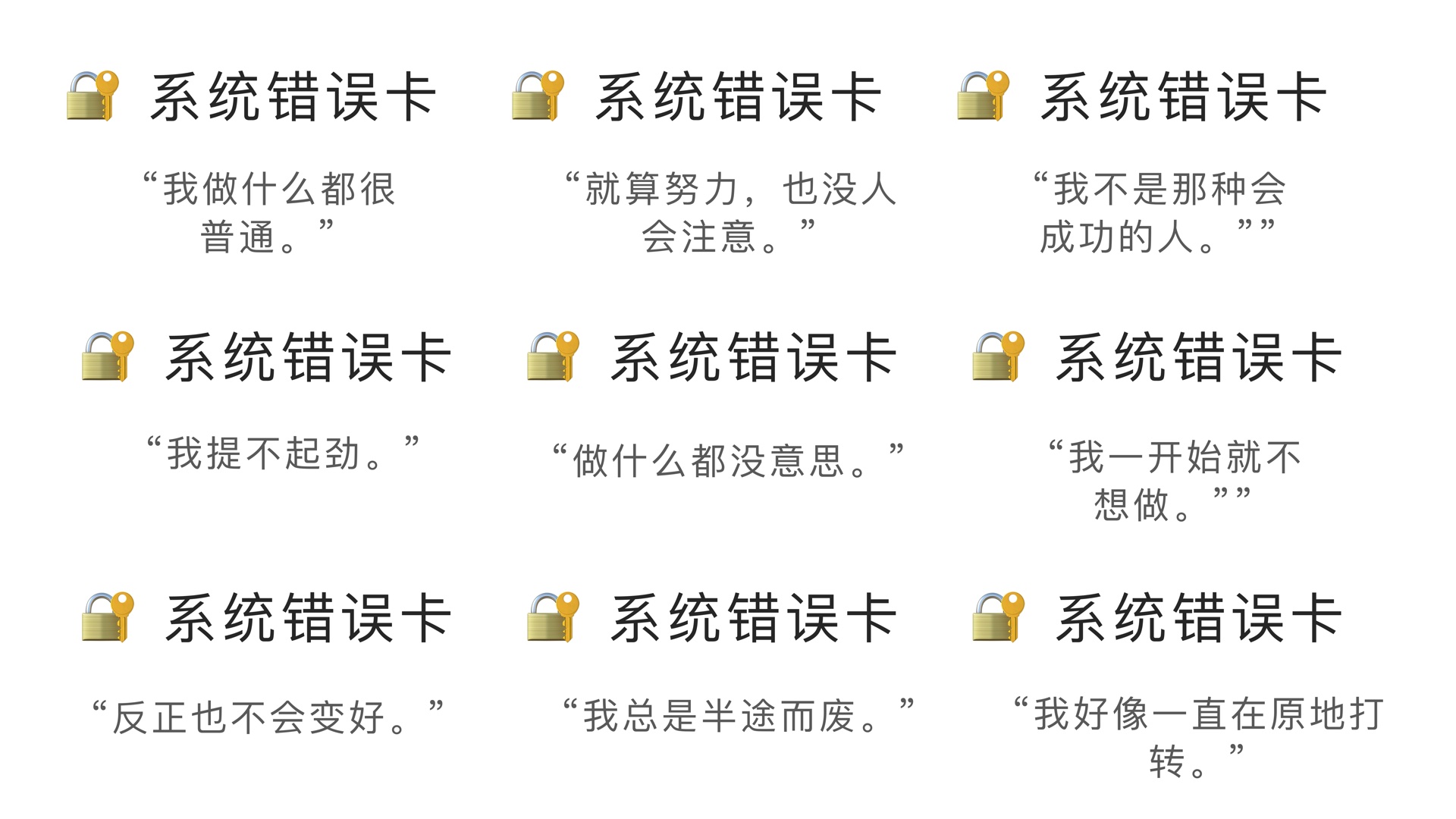
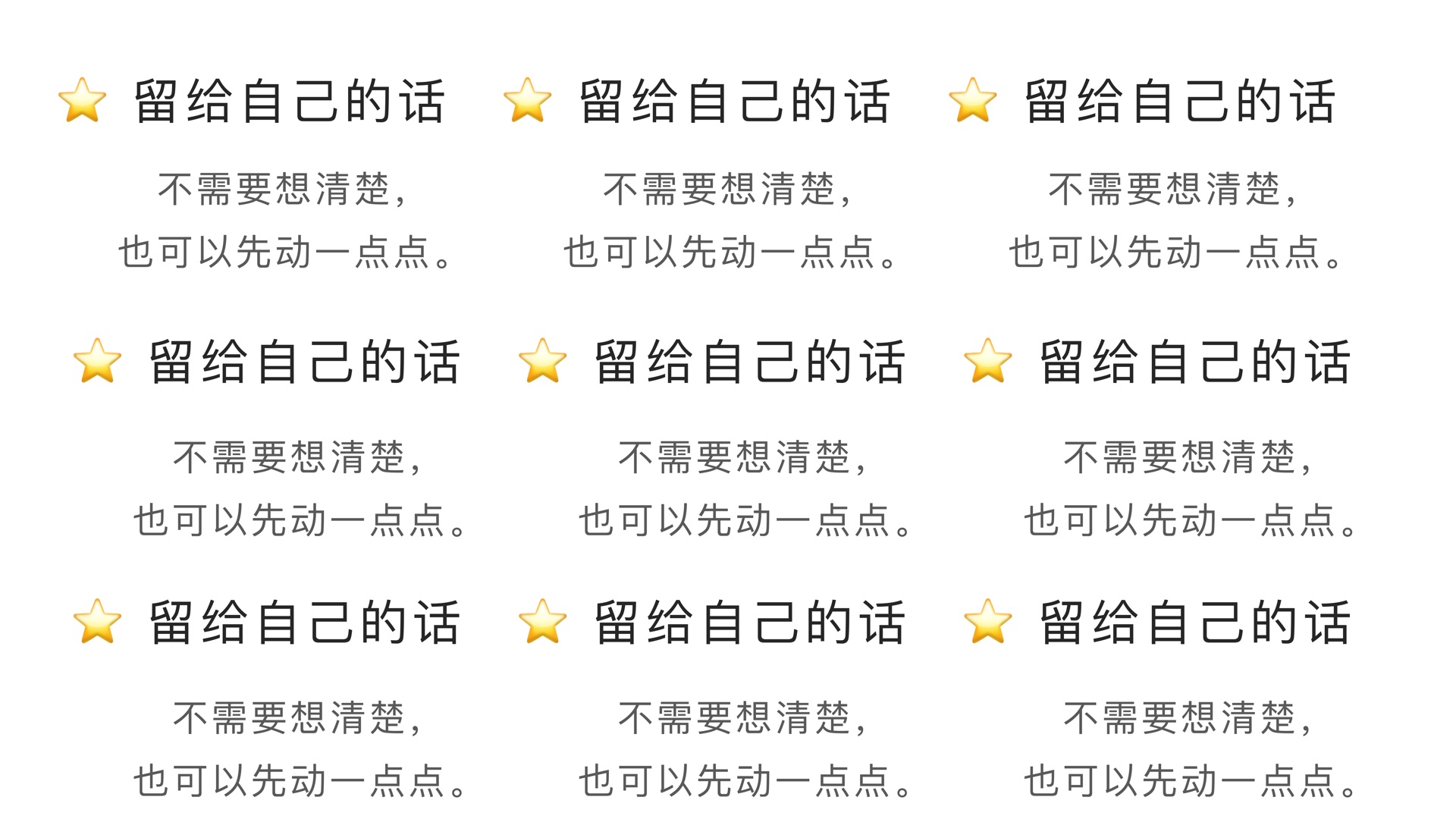
CONTRIBUTION
CASE 02 / MEMORY & LEARNING SESSION
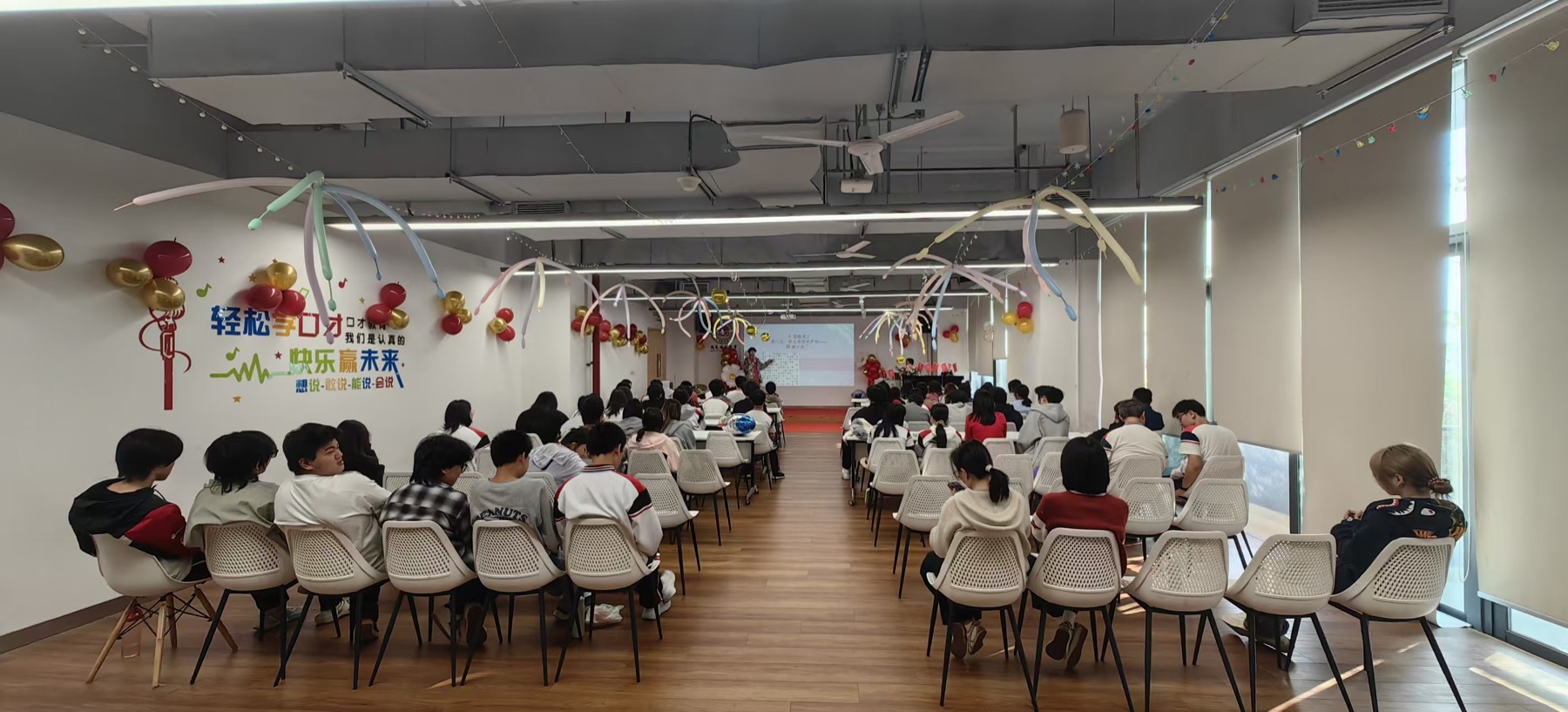
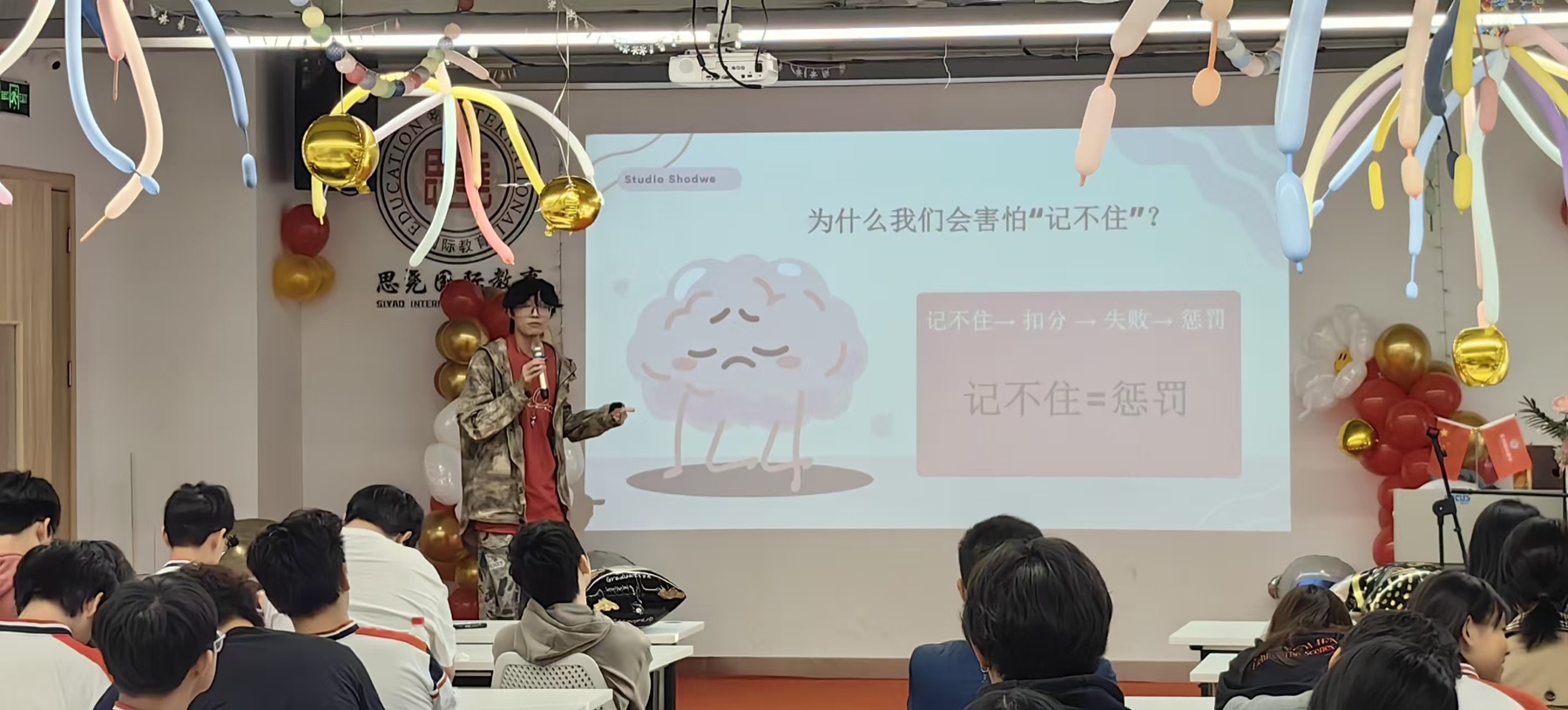
I independently conceived, designed and delivered this Mandarin psychoeducation session at Foshan Shunde Siyao School. Its starting point was familiar: students can read forgetting as proof that they are incapable or not trying hard enough. The course separated forgetting from personal failure, then made memory processes visible and usable.
THE TEACHING ARCHITECTURE
I independently conceived, structured and produced the entire 90-minute session: the course outline, teaching sequence, explanations, demonstrations, activities and 33-slide Mandarin deck. The underlying memory concepts were drawn from JCU Singapore's Memory and Cognition course; the teaching design and all participant-facing materials were my original work.
Begin with “what if the brain remembered everything?” and examine why marks, failure and punishment can make “not remembering” feel personally threatening.
Move from sensory to short-term and long-term memory, then distinguish encoding, consolidation and retrieval.
Use a digit challenge for chunking, word parts for organisation, and comparisons for spaced and context-dependent learning.
Finish with note-making in one's own words, generation and self-testing, a peer explanation task and a rapid review quiz.
CONCEPTS MADE CLASSROOM-READY
CASE 03 / RESEARCH TRANSLATION
These individual coursework pieces demonstrate evidence synthesis, ethical reasoning and culturally responsive writing for adolescent settings.
INDIVIDUAL BRIEFING PAPER · PY3102
Synthesised research into a school-focused mental-health literacy briefing with practical recommendations for a Chinese adolescent context.
WRITTEN CASE ANALYSIS · PY3104
Applied Self-Determination Theory-informed motivational interviewing to a written case analysis, with ethical, cultural and safeguarding reasoning.
CASE 04 / QUANTITATIVE RESEARCH
Worked from a study description and corresponding dataset supplied for the course.
Used IBM SPSS Statistics and a 3 × 2 factorial ANOVA.
Completed the statistical analysis, interpretation and individual APA-style report.
Kept the study context, analytical steps, results and interpretation traceable throughout the report.
05 / CURRENT INDEPENDENT RESEARCH INQUIRY
My starting question is why Word, search engines, translation and grammar tools are often treated as extensions of the self, while generative AI can make authorship feel less legitimate even when a person directs, selects, edits and judges the final output.
I am exploring what happens when older norms about effort, authorship, originality and deservedness collide with a tool that feels less like a conventional tool and more like a collaborator.
Current stage: I am reviewing work on AI disclosure, psychological ownership, authorship, authenticity and stigma, while asking whether responsible AI use may become less stigmatised as social norms change.
PROPOSED EMPIRICAL DIRECTION
Hold the writing constant, change only perceived AI involvement, and observe what changes in the judgement.
Would the same human-written essay be judged differently when a marker believes AI was involved?
I want to test whether perceived AI involvement changes grades and judgements of the author’s competence, effort, originality, trustworthiness and academic integrity.
Read the related essay (opens in a new tab)Can markers distinguish linguistic support from intellectual authorship?
I am interested in how marker AI knowledge, confidence, student expectations and cultural norms shape suspicion, especially when multilingual students use AI for translation. Linguistic mediation is not the same as AI-generated ideas.
Read the related essay (opens in a new tab)06 / OFFICIAL STUDENT PROFILE
Having seen the light, I want to reflect it forward.
JCU's official student interview records an earlier stage of my psychology journey: what I was learning, how I was taking part in campus wellbeing, and why helping other people matters to me. Its central idea is simple: support should not end with the person who receives it.
The understanding I received became something I wanted to pass on.
Learning became a way to make sense of real human experience, not only a route to grades.
Care for mental health moved beyond private interest and into how I took part in university life.
Being understood shaped the kind of presence I wanted to offer other people.
07 / SUPPORTING EVIDENCE
08 / BEYOND THE WORK

I hope people remember me not only for the projects I have completed, but for three more fundamental qualities: kindness, effort and a strong ability to learn.
For me, learning is not about leaving knowledge in the classroom. It should change how I understand other people, care for living things and face difficulty. I care about psychology, philosophy, artificial intelligence, cosmology and education, and I keep returning to the same question: how can a person turn experience into thoughtful action that genuinely helps others?
I am from Shenzhen, Guangdong. My interests may appear wide-ranging, but they all respond to questions I return to repeatedly: how people understand themselves, how knowledge changes life, and how we can create education and support with greater understanding and dignity.
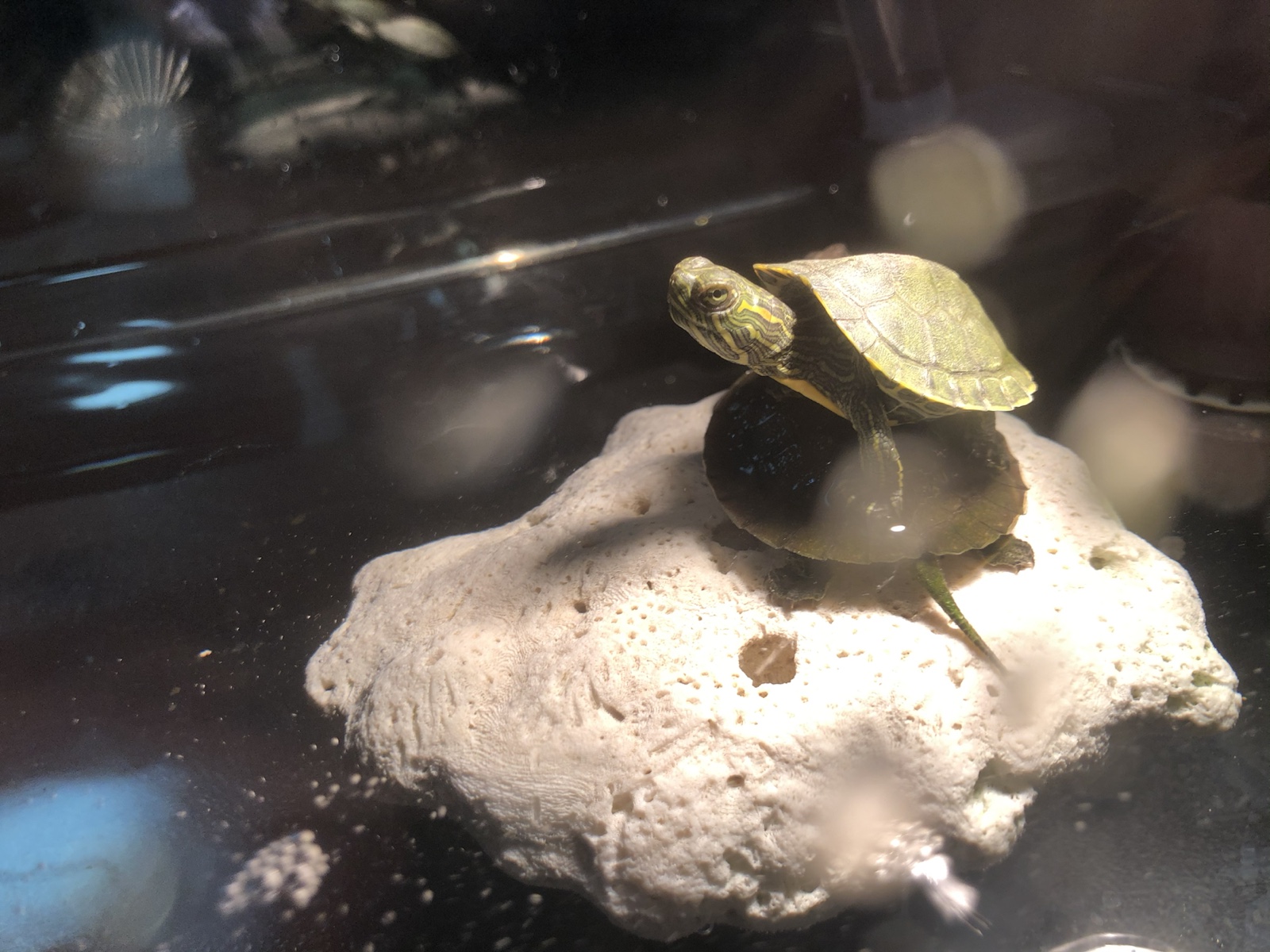 Caring for a turtle taught me to love learning.
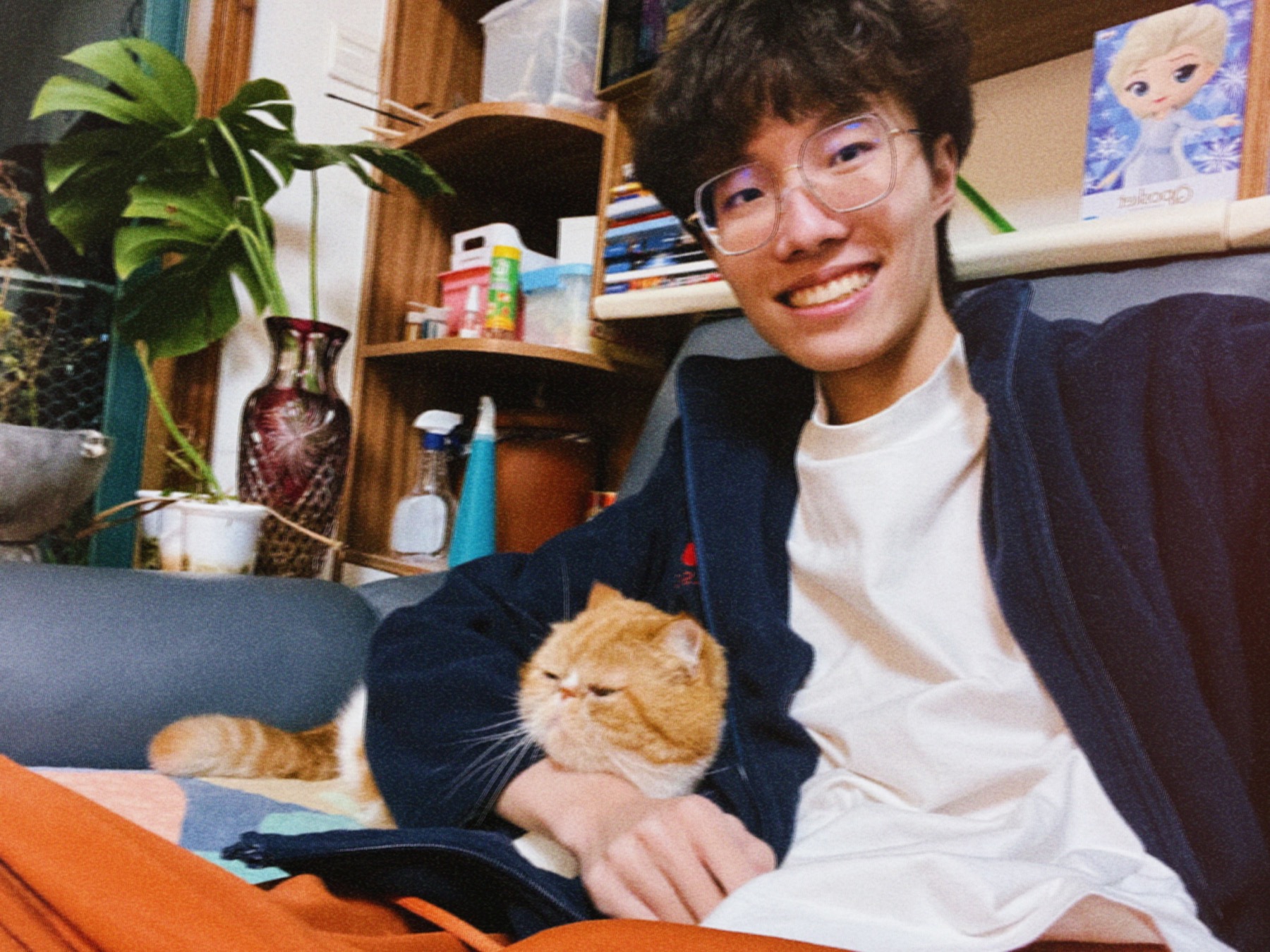
I began keeping pets in 2019. When I first had a cat, I felt deeply disappointed because it was not affectionate. I was not mature enough then and kept interpreting it from a human point of view, taking its reluctance to come close to me as rejection.
Later, I began trying to understand the world from my cat's perspective: observing its habits and boundaries, and accepting that it had its own preferred way of living. I gradually understood that real care is not asking another living being to respond according to my expectations, but understanding and respecting it as it is.
That process changed me. It was where my compassion and empathy truly began to grow.
When I first kept a turtle, I personally calculated the volume and surface area of its tank and water so I could prepare a suitable living space. I also studied aquatic environments and biology to maintain a healthy habitat.
That experience helped me see that classroom knowledge was not an abstract formula: it could enter everyday life and support more careful decisions. It also made me begin to love learning for its own sake, rather than treating it only as a way to pursue grades.
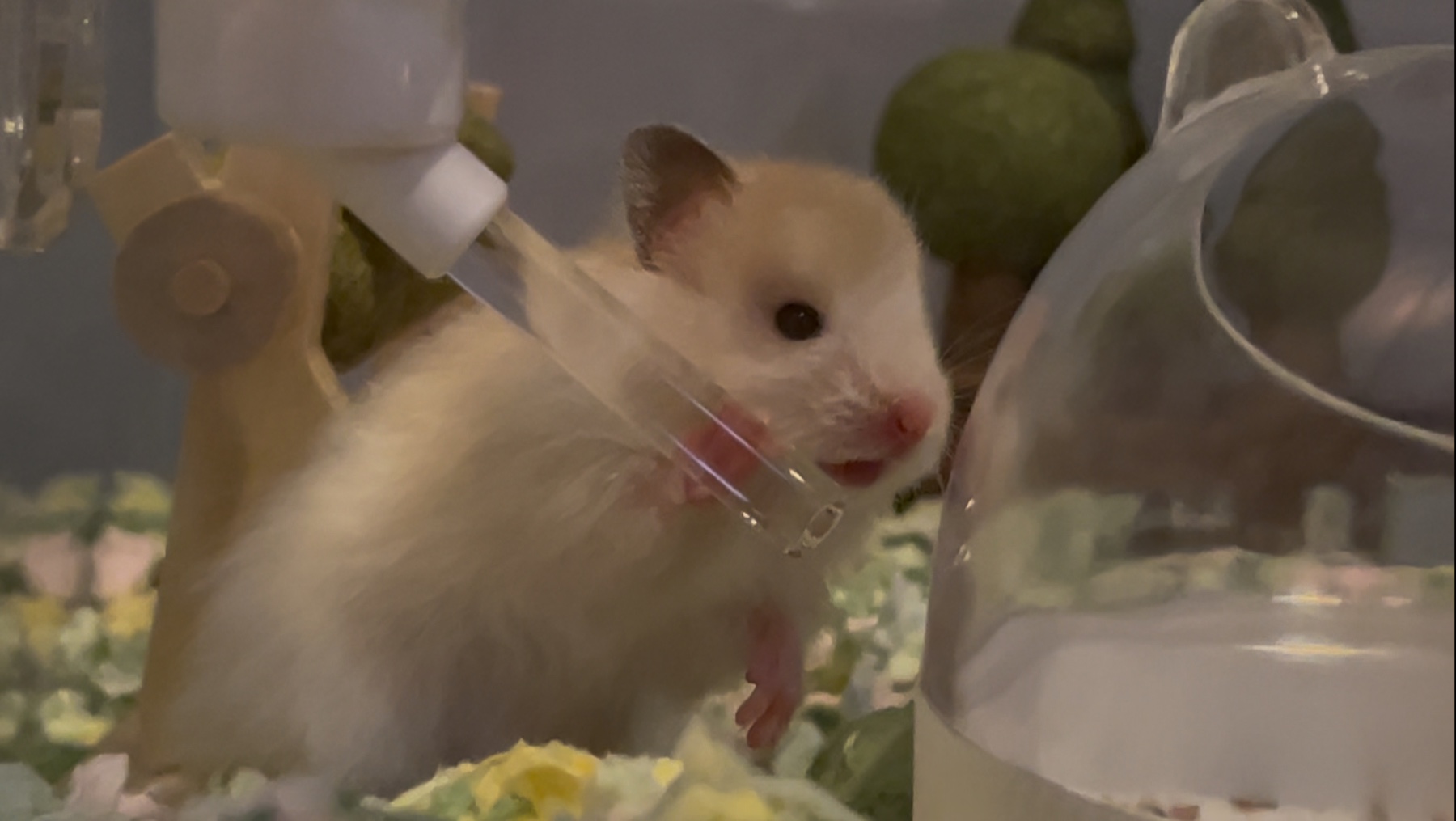
After coming to Singapore, I had my first pet while living abroad: a hamster.
I applied the behavioural training knowledge I learned in JCU's PY2111, Learning Processes, Behaviour and Performance, to my everyday interactions with it. Eventually, it really did begin approaching me on its own and became increasingly affectionate.
The result surprised me and also made me laugh a little. I had once believed I was simply the kind of person whose pets would never become attached to me, and the knowledge from PY2111 finally redeemed that condition.
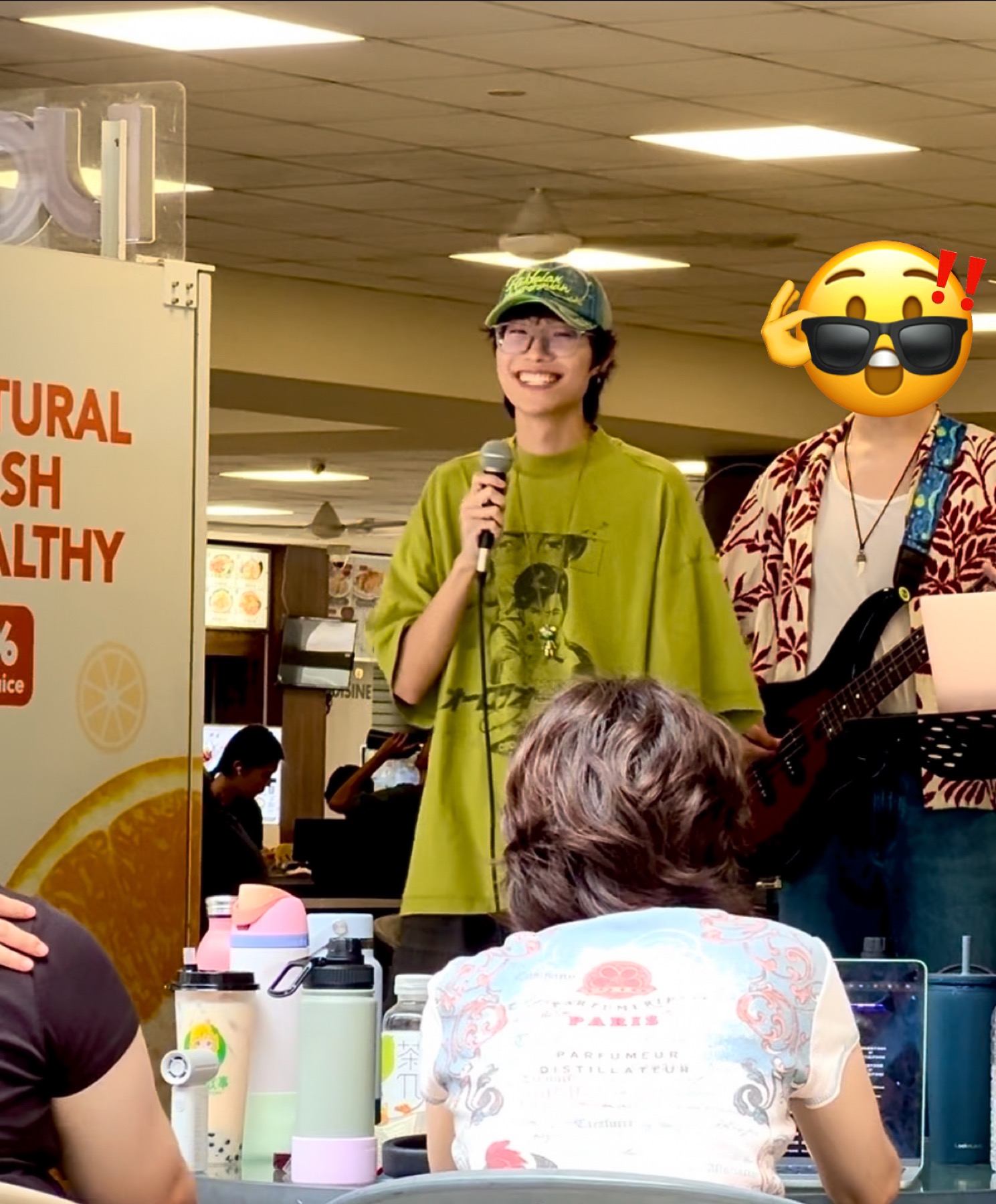
I began learning to sing in 2019. Even in 2026, I still felt that my voice did not sound good. Although I had taken some vocal courses, I continued to think that perhaps I simply had no talent for singing.
Over the past six months, however, I did not want to give up. I returned to the fundamentals, corrected my learning direction step by step, and began paying more attention to bodily sensation instead of pursuing only a sound that seemed “correct.” That process finally led to some genuine breakthroughs.
At JCU, I participated in Music Club across several semesters, practising both vocal technique and stage presence. I eventually performed publicly on campus and gained many friends and much encouragement through it.
The experience taught me that confidence does not mean a performance must be perfect. Real confidence is trusting my preparation, staying present and finishing the song even when imperfections appear, rather than withdrawing from the moment.
During my time at JCU, there was a period when I had to prepare for three final examinations at once. For fifteen consecutive days, I studied from 7am until 11pm. Apart from meals, showering, short breaks and basic daily tasks, almost all my time went into revision.
In the end, I earned Distinctions in four subjects that term.
The experience made me genuinely believe that persistence can sometimes matter more than ability. Ability may determine where a person begins, but sustained effort determines how far I can go.
Outside my studies, I began learning music arrangement and production in mid-2026. I also began using musical language to explore psychological themes such as misunderstanding, loss of control and recovery.
I have now released two original songs on NetEase Cloud Music. For me, music is not only a way to express emotion; it is also a way to retell psychological stories. It can restore the context that labels hide and help listeners see the unrecorded pain, needs and loss of control behind a person's behaviour.
Red Scarf Minefieldis not about how a “bad child” loses control. It is about how a child, after being misunderstood, punished and isolated over a long period, is gradually shaped into the problem in everyone else's eyes.
The classroom records his talking back, refusal to cooperate, retaliation and silence, but it does not record why he is angry, why he no longer trusts teachers, or why he still tries to reclaim a little control even when he knows he will be punished. Adults mistake post-traumatic defensive reactions for character defects; cries for help for provocation; and the counterattack of a child driven into a corner for evidence that something was wrong with him from the beginning.
The most frightening part is not a single punishment, but confirmation bias continuing to operate: once he has been labelled, every later mistake will prove the label correct, while every difficulty will be dismissed as an excuse.
When a child is repeatedly defined as the problem, what he eventually learns is often not how to change, but to believe that he is the problem.
When all of a child's visible mistakes are recorded while all of his invisible difficulties are ignored, who created the “problem child” in the end?
Receiving support has shaped how I think about care: it should not end with the person who receives it.
I try to carry that principle into practical action through careful listening, responsible communication and respect for professional boundaries.
In youth and wellbeing settings, good intentions are not enough. Support also requires role clarity, confidentiality, referral awareness and willingness to work under supervision.
My aim is to combine warmth with evidence, careful judgement and clear boundaries so that care remains safe and useful.
The wound is where the light enters;
the pain is the direction it comes from.
Every hurt arrives carrying light.
Look for the light that follows,
not only the pain that leads.
